

Freight and Forwarder: How They Work Together to Move Global Trade
When businesses think about shipping goods internationally, two key terms often come up: freight and forwarder. While they’re closely connected, they represent two sides of the same logistics coin. Freight is the cargo that moves across borders, oceans, and highways. A forwarder is the expert who arranges that movement — making sure shipments reach the right place at the right time, at the right cost.
In this guide, we’ll break down what freight and forwarder really mean, how they work together, and why businesses rely on them to keep global supply chains running smoothly.
What Does “Freight” Mean?
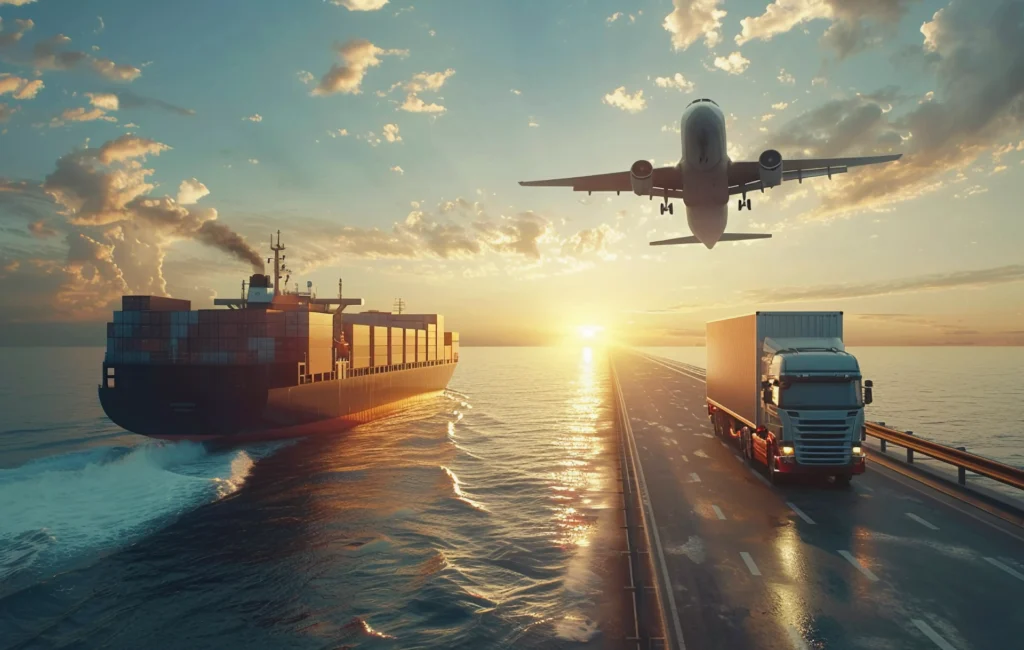
In simple terms, freight is the cargo — the raw materials, products, or goods being transported from one location to another. Freight can be moved by different modes of transportation, including:
- Ocean freight: Ideal for large, bulk, or heavy shipments.
- Air freight: Best for urgent or high-value cargo.
- Road freight: Flexible for regional or last-mile deliveries.
- Rail freight: Cost-effective for bulk shipments over land.
Freight can be shipped in containers, pallets, boxes, or as break bulk cargo, depending on size and destination.
What Is a Freight Forwarder?
A freight forwarder is the professional or company that arranges the movement of freight on behalf of a shipper. Forwarders don’t usually own trucks, ships, or planes. Instead, they act as logistics experts who handle:
- Booking cargo space with carriers
- Managing transport routes and connections
- Preparing customs documents and permits
- Coordinating pickup, storage, and final delivery
- Providing tracking updates and shipment visibility
- Offering advice on compliance, duties, and best practices
Why Businesses Need Both Freight and Forwarder Services
Freight can’t move itself. International shipping involves multiple legs, countries, and regulations — which can quickly become complicated for any business.
That’s why having the right freight and forwarder setup is crucial:
- Expert Coordination: Forwarders make sure freight travels smoothly across various transport modes.
- Cost Savings: They help compare rates from different carriers to find the most cost-effective option.
- Customs Support: Forwarders handle import/export paperwork to avoid delays or penalties.
- Risk Management: Insurance, special handling, and contingency plans protect valuable cargo.
- Time Savings: Businesses can focus on core operations while the forwarder manages logistics.
Types of Services Provided by Freight Forwarders
Freight forwarders can handle a wide range of services depending on the client’s needs, including:
- Consolidation: Combining smaller shipments into one container to reduce costs.
- Customs Brokerage: Managing duties, taxes, and compliance paperwork.
- Multimodal Transport: Coordinating multiple modes (sea, air, road, rail) for the fastest, most efficient delivery.
- Cargo Tracking: Offering real-time shipment status and delivery updates.
- Insurance: Arranging cargo insurance to protect goods in transit.
How to Choose the Right Freight Forwarder
Understanding how freight and forwarder services work together is key to successful shipping. While freight is the physical cargo, the forwarder is the strategic partner who makes sure that cargo moves quickly, legally, and cost-effectively.
Whether you’re shipping a single pallet or full container loads worldwide, the right freight forwarder can help you simplify the process, stay compliant, and keep your supply chain running without unnecessary delays.
Conclusion
In today’s fast-paced global trade environment, the software freight forwarder is the future of logistics. By combining traditional freight forwarding expertise with powerful technology, these tools help companies work smarter, serve customers better, and stay competitive in a challenging market.
Whether you’re an established forwarder or a growing logistics team, investing in software can transform your workflows, cut costs, and keep your supply chain running smoothly.