
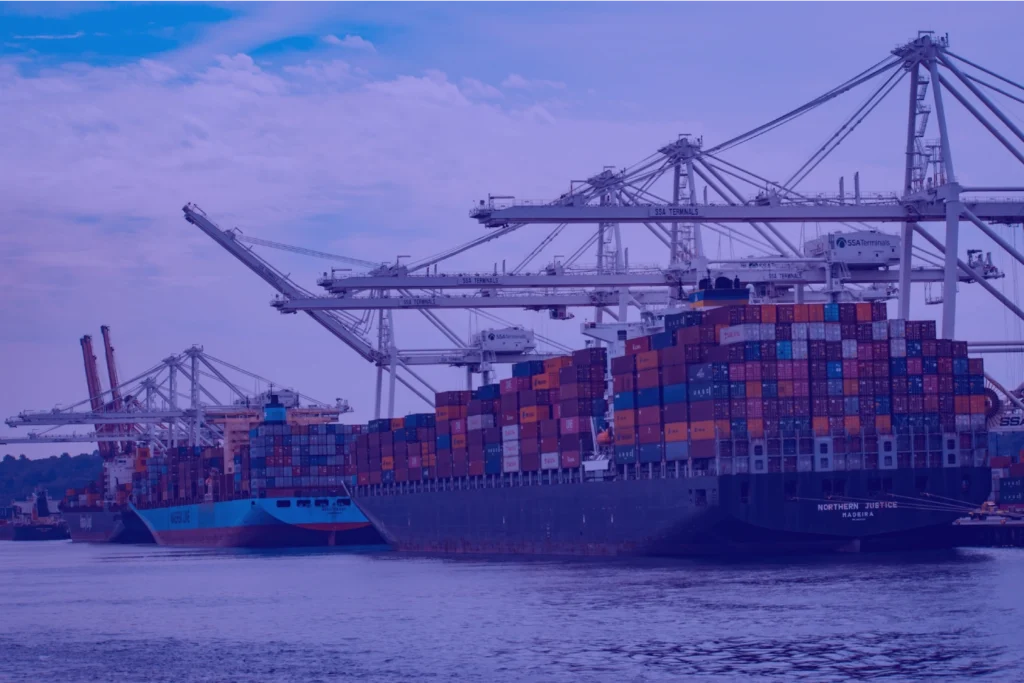

Streamlining Global Logistics: What to Look for in a Freight Management System
Why Global Logistics Requires Modern Freight Management
Managing international freight involves coordinating multiple carriers, shipment routes, pricing structures, documents, and customer communications across different regions.
Without a centralized system, logistics operations can quickly become difficult to manage efficiently.
Common Challenges in Global Logistics:
- Manual freight rate updates
- Delayed quote generation
- Limited shipment visibility
- Disconnected operational systems
- Complex documentation workflows
- Billing and invoicing inefficiencies
- Difficulty scaling operations
A modern Freight Management System helps eliminate these operational bottlenecks through automation and centralized workflow management.
What Is a Freight Management System?
A Freight Management System (FMS) is software designed to help logistics providers manage freight operations from one centralized platform.
Core Functions of a Freight Management System:
- Freight rate management
- Automated quote generation
- Shipment booking
- Real-time shipment tracking
- Billing and invoicing
- Documentation management
- Workflow automation
- Reporting and analytics
The best freight management platforms simplify logistics workflows while improving operational visibility and scalability.
What to Look for in a Freight Management System
Choosing the right freight software is essential for improving operational efficiency and supporting long-term growth.
1. Centralized Freight Rate Management
Managing international carrier pricing manually can create delays and pricing inconsistencies.
Important Benefits:
- Faster pricing updates
- Centralized carrier rate visibility
- Improved quote accuracy
- Reduced manual calculations
Efficient rate management improves operational speed and profitability.
2. Automated Freight Quote Generation
Fast quoting is critical for customer satisfaction and logistics efficiency.
Automation Benefits:
- Instant quote generation
- Faster customer response times
- Reduced operational workload
- Improved pricing consistency
Automated quoting allows freight forwarders to process higher volumes efficiently.
3. Real-Time Shipment Visibility
Shipment tracking is one of the most important capabilities in modern logistics operations.
Key Tracking Features:
- Live shipment updates
- Delay notifications
- Route visibility monitoring
- Centralized shipment dashboards
Real-time visibility improves operational control and customer communication.
4. Integrated Booking and Billing
Disconnected workflows often slow logistics operations.
Integrated Workflow Benefits:
- Faster shipment confirmations
- Reduced data duplication
- Simplified invoice management
- Improved financial accuracy
Centralized systems improve operational continuity.
5. Workflow Automation
Automation reduces repetitive tasks and improves operational productivity.
Workflow Automation Features:
- Automated shipment workflows
- Task management automation
- Operational alerts and notifications
- Reduced administrative workloads
Automation helps logistics teams improve efficiency and scalability.
6. Digital Documentation Management
International freight forwarding requires handling large volumes of shipping documents.
Documentation Benefits:
- Faster document processing
- Improved compliance management
- Reduced paperwork errors
- Easier document accessibility
Digital workflows improve logistics coordination and reduce delays.
7. Reporting and Analytics
Operational visibility is essential for improving logistics performance.
Important Reporting Features:
- Shipment performance monitoring
- Revenue and cost analysis
- Operational trend reporting
- Carrier performance tracking
Analytics tools support smarter logistics decision-making.
Why FREIGHTOSCOPE Is Built for Global Logistics Operations
FREIGHTOSCOPE is a modern cloud-based Freight Management System designed specifically for freight forwarders and logistics providers seeking operational efficiency and scalable global logistics management.
The platform centralizes quoting, booking, tracking, billing, reporting, and workflow automation into one unified logistics solution.
Key Features of FREIGHTOSCOPE
Centralized Freight Rate Management
Manage carrier pricing efficiently from one scalable platform.
Automated Freight Quoting
Generate fast and accurate freight quotes through automated workflows.
Real-Time Shipment Tracking
Track global shipments with live operational visibility.
Integrated Billing and Invoicing
Simplify financial workflows through centralized invoice management.
Workflow Automation
Reduce repetitive operational tasks and improve shipment processing speed.
Digital Documentation Management
Improve operational efficiency through streamlined document workflows.
Cloud-Based Accessibility
Access logistics operations securely from anywhere while supporting business growth.
How FREIGHTOSCOPE Helps Streamline Global Logistics
1. Centralizes End-to-End Freight Operations
FREIGHTOSCOPE combines rates, quotes, bookings, tracking, billing, and reporting into one platform.
2. Improves Shipment Visibility
Real-time dashboards provide greater transparency across global supply chains.
3. Reduces Manual Operational Workloads
Automation tools simplify repetitive tasks and improve operational efficiency.
4. Supports International Scalability
The platform is designed to support growing logistics operations worldwide.
5. Improves Customer Experience
Faster quotes and better shipment visibility improve customer communication and service quality.
Comparison Table: Traditional Logistics vs Modern Freight Management System
Feature | Traditional Operations | FREIGHTOSCOPE |
Freight Rate Management | Manual Spreadsheets | Centralized System |
Quote Generation | Manual | Automated |
Shipment Tracking | Limited Visibility | Real-Time |
Billing | Separate Systems | Integrated |
Documentation | Paper-Based | Digital |
Workflow Automation | Limited | Advanced |
Benefits of Using a Modern Freight Management System
Implementing a modern Freight Management System provides several operational advantages.
Major Benefits Include:
- Faster logistics workflows
- Improved shipment visibility
- Better pricing accuracy
- Reduced administrative workload
- Increased operational scalability
- Enhanced customer satisfaction
These advantages help freight forwarders remain competitive in modern global logistics markets.
Future Trends in Freight Management Technology
Technology continues to reshape international logistics operations.
Emerging Trends Include:
- AI-powered freight automation
- Predictive shipment analytics
- Intelligent pricing optimization
- Automated documentation workflows
- Cloud-native logistics infrastructure
Modern freight systems are becoming smarter, more connected, and automation-driven.