
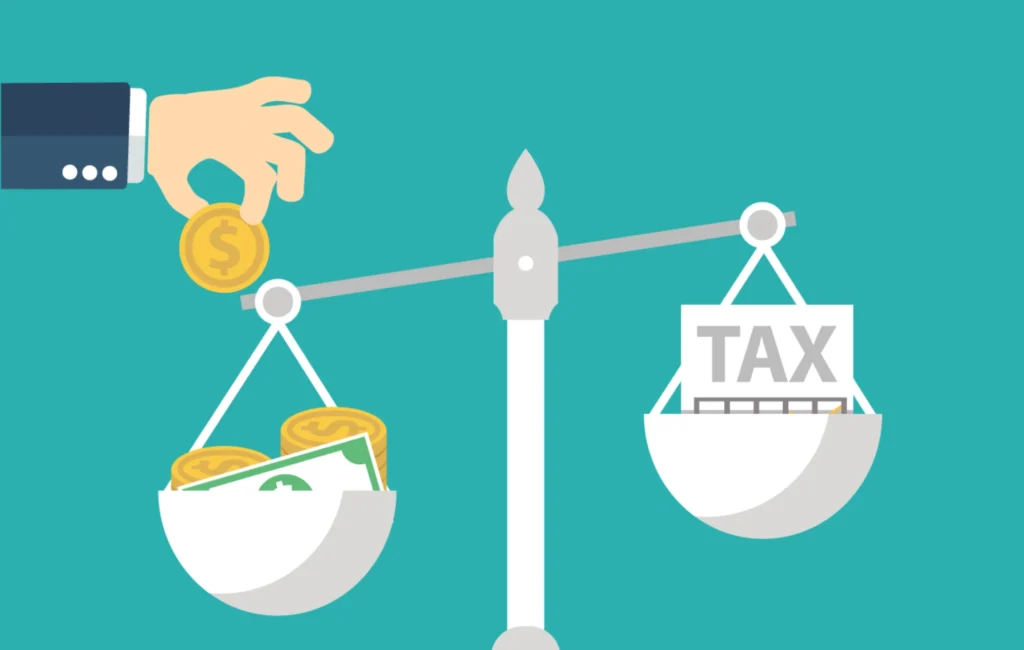

Tariff vs Tax: What’s the Difference and Why It Matters in Global Trade
In the world of economics and trade policy, the terms tariff and tax are often used interchangeably—but they’re not the same. Understanding the difference between a tariff vs tax can help businesses make informed decisions, governments shape smarter policies, and consumers better understand the prices they pay.
In this article, we’ll break down what tariffs and taxes really are, how they impact your wallet and the global economy, and why this distinction is more important than ever in today’s interconnected world.
What Is a Tax?
A tax is a compulsory financial charge imposed by a government on individuals, businesses, or property. Taxes are a key source of government revenue and are used to fund public services like healthcare, education, infrastructure, and defense.
There are several types of taxes:
- Income Tax – levied on personal or corporate earnings
- Sales Tax – added to the purchase price of goods and services
- Property Tax – charged on real estate value
- Value-Added Tax (VAT) – applied at each stage of a product’s supply chain
Taxes are domestic in nature and generally apply to income, spending, or ownership within a country.
What Is a Tariff?
A tariff, on the other hand, is a type of tax—but it’s applied specifically to imported goods. Tariffs are used by governments to:
- Protect local industries from foreign competition
- Generate revenue from international trade
- Influence trade policies and negotiations
Tariffs are typically calculated as a percentage of the value of the imported item. For example, a 10% tariff on $10,000 worth of steel means the importer must pay an additional $1,000 to bring that steel into the country.
How Tariffs Impact the Economy
Tariffs affect multiple layers of the economy:
- Manufacturers may face higher costs for imported raw materials or parts
- Consumers might see higher prices on goods that are imported or assembled using foreign components
- Logistics and supply chains may shift as companies seek alternative sourcing to avoid tariff-heavy regions
- Global trade tensions can escalate, leading to retaliatory tariffs and trade wars
Understanding tariffs helps businesses forecast costs and plan procurement more effectively.
How Taxes Affect Daily Life
Taxes play a central role in everyday economics:
- Income taxes reduce take-home pay but fund essential government functions
- Sales taxes affect retail prices and vary widely across regions
- Corporate taxes influence where businesses choose to operate
Unlike tariffs, which impact international prices and trade dynamics, taxes shape domestic economic policy and social services.
Why "Tariff vs Tax" Matters Today
In recent years, global headlines have been filled with tariff news—from trade tensions between major economies to sanctions and duty hikes on certain goods. At the same time, domestic tax reform continues to affect consumer spending and corporate strategies.
Knowing the difference between a tariff and a tax helps:
- Businesses make smarter pricing, sourcing, and logistics decisions
- Policymakers balance trade protection with economic growth
Consumers understand the true cost of imported vs. domestic goods
Conclusion
While both tariffs and taxes are tools used by governments to collect revenue, they serve very different functions and have distinct impacts. In the globalized economy, understanding the tariff vs tax debate is more than an academic exercise—it’s a practical necessity for navigating everything from supply chain strategy to personal finances.
Stay informed, stay compliant, and stay competitive by knowing exactly how tariffs and taxes affect the world around you.